


Are insect repellents safe?
When it comes to insect repellent, most of us simply want to stop the bites and get on with enjoying the day. It’s completely natural, though, to pause and ask: is this safe for me and my family?
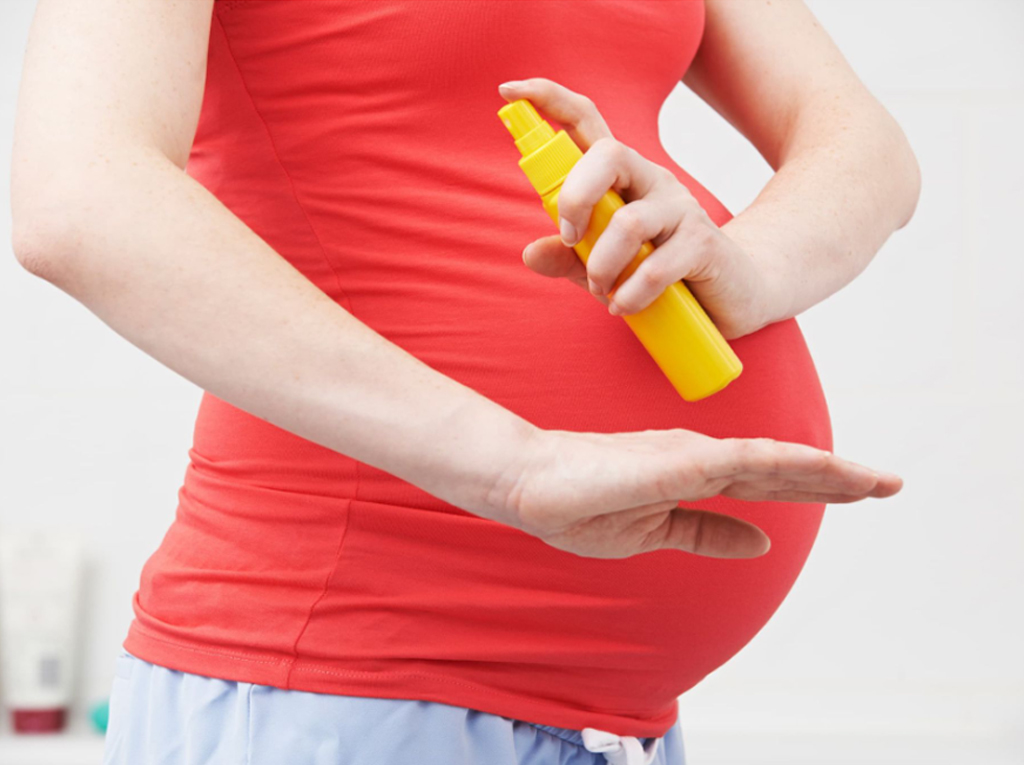
In particular, parents often wonder what’s suitable for young children. Expectant mothers may question what they can use during pregnancy, and those that are breastfeeding can have similar concerns. After all, insect repellent is supposed to protect you, not cause more problems.
The good news is that insect repellents available in the UK are subject to strict safety assessments and regulatory standards to check that they’re safe when used as directed.
Protection and peace of mind should go hand in hand. With the help of product-specific guidance, you can feel confident using insect repellent to help safeguard yourself and those you care about most.
What is in insect repellent?
Not all insect repellents are the same, and in fact there are a range of different active substances used to achieve similar effects. The most popular include:
- DEET
- Picaridin
- IR3535
- Naturally-based compounds found in plants.
These compounds vary in how effectively they repel certain insects, how long protection lasts and how they feel on the skin – and choosing the right formulation for you can be key to your overall comfort.
DEET (N,N-diethyl-m-toluamide)
DEET has been used worldwide for several decades and is one of the most extensively studied insect repellent ingredients. It works by interfering with insects’ ability to detect human scent.
When used as directed, DEET is generally considered to be safe. However, some people prefer to avoid DEET due to safety concerns. The potential negatives perceived by some users is that DEET is a synthetic chemical developed by US military, often perceived as greasy or oily, with a distinct, pungent chemical smell. Although safe when used as directed, there is a higher concern for skin/eye irritation and is not suitable for young infants.
In the UK, DEET products are regulated and approved for safety, but some people prefer alternatives due to its strong smell or concerns about individual skin sensitivity.
Picaridin (also known as icaridin)
Picaridin is a synthetic repellent developed to offer similar protection to DEET with a lighter feel and less odour. It’s effective against mosquitoes, ticks and other biting insects. Many people find it more cosmetically acceptable, as it is less greasy and less likely to damage plastics.
When used according to instructions, it’s considered safe for adults and children within product-specific age guidelines.
IR3535
IR3535 – also known by the more scientific term 3-ethlyaminopropionate – has been widely used in Europe for many years. It provides protection against mosquitoes and some biting flies and is often chosen for family-friendly formulations.
By comparison to DEET, IR3535 is a synthetic derivative of a naturally occurring amino acid. It is classified as a “biopesticide” because it is structurally similar to a natural substance. Different to DEET, it is non-greasy, cosmetically pleasant, almost odourless, has a lower toxicity and is widely approved for young infants.
It is considered suitable for sensitive skin when used as directed and is approved for use in products for young children over two months of age.
Naturally-based repellents
Naturally-based repellents typically contain plant-derived ingredients such as oil of lemon eucalyptus or citronella. Because natural compounds evaporate quicker from the skin than synthetic options, these repellents usually need to be reapplied more often.
As with all repellents, suitability depends on age, skin sensitivity and following label guidance. There are various naturally-based compounds used in these insect repellent formulations, so it’s best to assess safety on a case-by-case basis.
Can you use insect repellent when pregnant?
If you’re pregnant, you’ve probably started to think more about the things that come into contact with your body. Ingredients lists can suddenly feel more significant. Labels are read twice. Products that once seemed routine are reconsidered.
When it comes to insect repellent, common concerns include how much of a substance is absorbed through the skin, whether it could cross the placenta and what long-term effects – if any – should be considered.
For breastfeeding mothers, the questions shift slightly but remain just as pressing. Could residue transfer through skin-to-skin contact? Is there a risk if a baby touches treated skin? What precautions are necessary during frequent application?
These concerns are understandable. Pregnancy and early motherhood bring a natural instinct to minimise risk wherever possible. UK-approved insect repellents are generally well tolerated by most adults – but being more cautious at this time in your life is worthwhile.
The best way to be confident about your insect repellent choices is to consult a healthcare professional. They can take into account your and your baby’s overall health and give personalised advice suited both to you and to the environment you live in.
Can children use insect repellent?
Young skin can feel more delicate and sensitive, which naturally raises concerns about irritation, absorption or potential reactions. Parents often have questions about recommended ages for use and whether certain ingredients are suitable for children at all.
There’s also the practical side to think about. Children are more likely to touch their faces, rub their eyes or put their hands in their mouths, which can make applying any topical product feel more complicated.
Generally speaking, adults should apply repellent to children rather than letting them use it themselves. Spray it into your hands first, then smooth it onto your child’s exposed skin, avoiding the hands, eyes and mouth. Then be sure to wash your hands thoroughly.
As for recommended ages, it’s worth knowing that most insect repellent products provide clear guidance on the label about the minimum age they’re suitable for. Following these instructions is key to using them responsibly.
Our Wasp-Eze® Insect Repellent Max Strength Lotion and Spray, for example, provide long-lasting protection against mosquitoes, ticks and other flying insects. The alcohol-free lotion is suitable from birth and the spray is suitable for ages one year and over. Both formats offer up to 8 hours protection and are kind on the skin.
For a repellent that zeroes in on temperate regions like the UK and much of Europe, our Wasp-Eze® Insect Repellent Roll-on and Pump Spray are excellent choices for daily use with children from six months of age. This repellent uses naturally-based ingredients to stay gentle on skin and kind to the planet.
When it comes to pregnancy and children, feeling confident in your choice matters more than anything. Remember, you can find details on product safety on the label of your insect repellent – and if you’re ever unsure, speak to your pharmacist, GP or midwife for personalised advice.