


How to deter horseflies
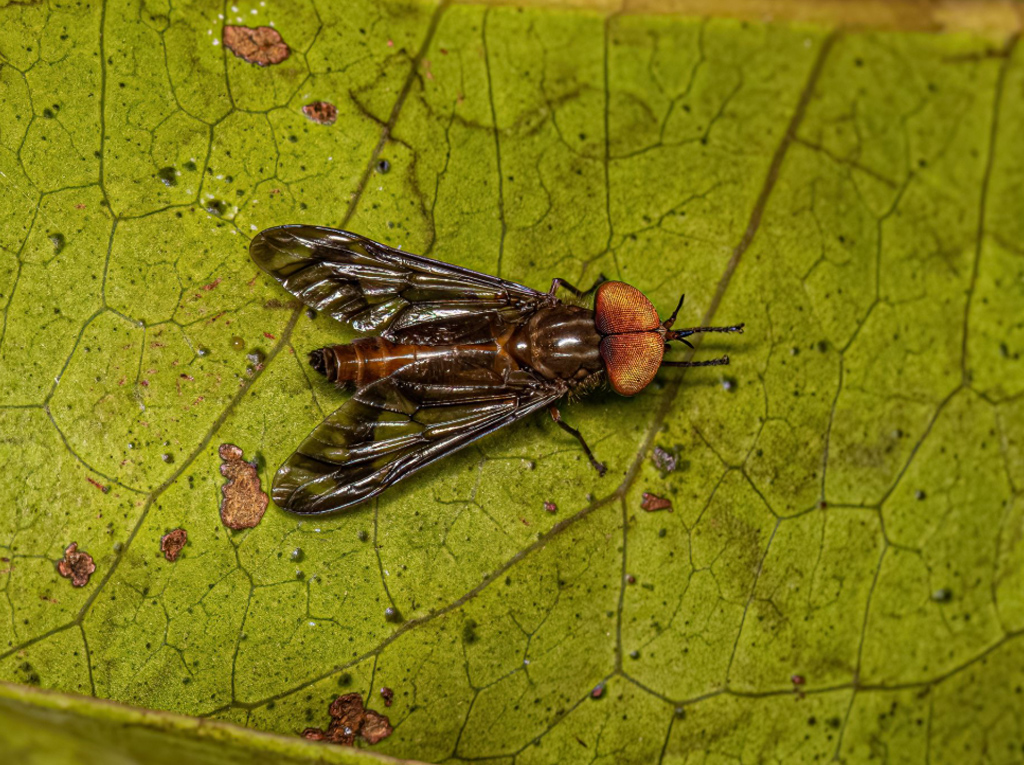
Horseflies are more than just a summer nuisance. Their bites are painful, can swell quickly and often take longer to heal than other insect bites. If you have ever been bitten, you’ll know they feel sharp at first and can stay sore or itchy for days afterwards.
In the UK, horseflies are most active between late spring and early autumn, particularly on warm, bright days. They are common in rural and semi-rural areas, especially near water and farmland. While no single method can guarantee you will avoid them entirely, there are practical ways to reduce the chances of being bitten.
With this in mind, this guide focuses on realistic, evidence-based steps you can take to deter horseflies and protect yourself when spending time outdoors.
How to prevent horsefly bites
Horseflies are attracted to movement, warmth and contrast. They also have excellent vision, which makes them harder to avoid than smaller biting insects. Prevention works best when you combine several approaches rather than relying on one tactic alone.
Wear loose, light coloured clothing
Clothing choice plays a bigger role than many people realise. Horseflies are strongly attracted to dark colours, particularly black and navy. These colours stand out visually and absorb more heat, both of which make you easier for flies to spot.
Wearing light coloured clothing such as white, beige or pastel shades can help make you less visible. Loose-fitting garments are also useful, as they are harder for flies to bite through and less likely to cling to the skin.
Long sleeves, trousers and socks provide a physical barrier, which is especially helpful if you are walking through fields, woodland or long grass.
Steer clear of key horsefly habitats
Horseflies need moist environments to breed, which is why they are commonly found near:
- Lakes, rivers and streams
- Marshy ground and wetlands
- Farmland with cattle or horses
- Long grass and hedgerows.
If possible, avoid lingering in these areas during warm weather. When walking, stick to open paths rather than brushing against vegetation, where horseflies may be resting.
In gardens, positioning seating areas away from ponds, compost heaps and shaded edges can help reduce the number of flies nearby.
Avoid wearing strong scents
Horseflies, like many biting insects, can be attracted by strong smells. Perfumes, aftershaves and heavily scented body products may increase your chances of being noticed.
During summer months, it is sensible to keep fragrances to a minimum when spending time outdoors. Unscented moisturisers, deodorants and sunscreens are less likely to attract unwanted attention and help keep things simple.
Stay indoors during peak times
Horseflies are most active on warm, sunny days with little wind. Late morning through to late afternoon is often when bites are most likely.
If horseflies are a problem where you live or holiday, try to plan outdoor activities for earlier in the morning or later in the evening. Even a light breeze can make conditions less appealing for horseflies, so exposed or open areas are often better than still, sheltered spots.
Set up horsefly traps
Horsefly traps can help reduce numbers in specific areas such as gardens, paddocks or near stables. These traps usually work by mimicking the warmth or movement of animals, drawing flies away from people.
While traps will not eliminate horseflies completely, they can be useful as part of a wider prevention strategy, particularly in high-risk locations. For best results, place traps away from seating or walkways so flies are drawn away rather than towards you.
Use physical deterrents where possible
Because horseflies rely heavily on vision, some physical deterrents can help. Fans, for example, create air movement that makes it harder for flies to land, which can be useful on patios or in covered outdoor areas.
Sticky strips and reflective surfaces may also discourage flies in certain settings, although results vary and they tend to work best when combined with other measures.
Why horsefly bites are different
Unlike mosquitoes, horseflies do not pierce the skin with a fine needle. Instead, they use mouthparts that cut the skin, causing a small wound. This is why bites often bleed slightly and feel painful straight away.
The body’s reaction to this type of bite can include redness, swelling and itching, which may last several days. Scratching can slow healing and increase the risk of infection, so managing symptoms properly matters.
What to do if you are bitten
Even with careful prevention, horsefly bites can still happen. If you are bitten:
- Clean the area gently with soap and water
- Apply a cold compress to reduce swelling
- Avoid scratching, even if the bite itches
Wasp-Eze® Cool & Soothe Pump Spray provides targeted, effective relief from bites and stings and can help reduce itching and ease discomfort. Applied directly to the affected area, it contains the clinically proven antihistamine diphenhydramine that reduces the inflammatory response to histamine.
If a bite becomes increasingly painful, very swollen, or shows signs of infection such as spreading redness or discharge, it is important to seek advice from a pharmacist or healthcare professional.
The takeaway
Horseflies are a common part of UK summers, particularly in rural and waterside areas. While they are persistent and hard to avoid entirely, understanding what attracts them makes it easier to reduce your risk.
Wearing light clothing, avoiding key habitats during peak times and using physical deterrents can all help. And if a bite does occur, treating the skin promptly can make recovery more comfortable.
With a bit of planning and the right aftercare to hand, you can enjoy time outdoors with fewer interruptions and less irritation from horsefly bites.