


Bee Sting Relief & Prevention
A bee sting can take you by surprise, especially if you’re outdoors and not expecting it. Most stings cause short-lived discomfort, but the initial sharp pain is often followed by redness, warmth and swelling around the area. If you’re looking for clear, trustworthy bee sting treatment advice, here’s how to feel more comfortable quickly and when to seek help.
Simple Bee Sting Treatment
A few quick steps can make a big difference after a bee sting. Here’s what you can do.
-
1
Remove the StingerStart by gently removing the stinger by scraping it sideways with the edge of a card rather than using tweezers, which may squeeze more venom into the skin. Wash the area with soap and water, then apply something cool, such as a damp cloth, for 10 minutes at a time to ease discomfort.
It’s important to remove the stinger promptly because while it remains in the skin, it continues to deliver venom.
-
2
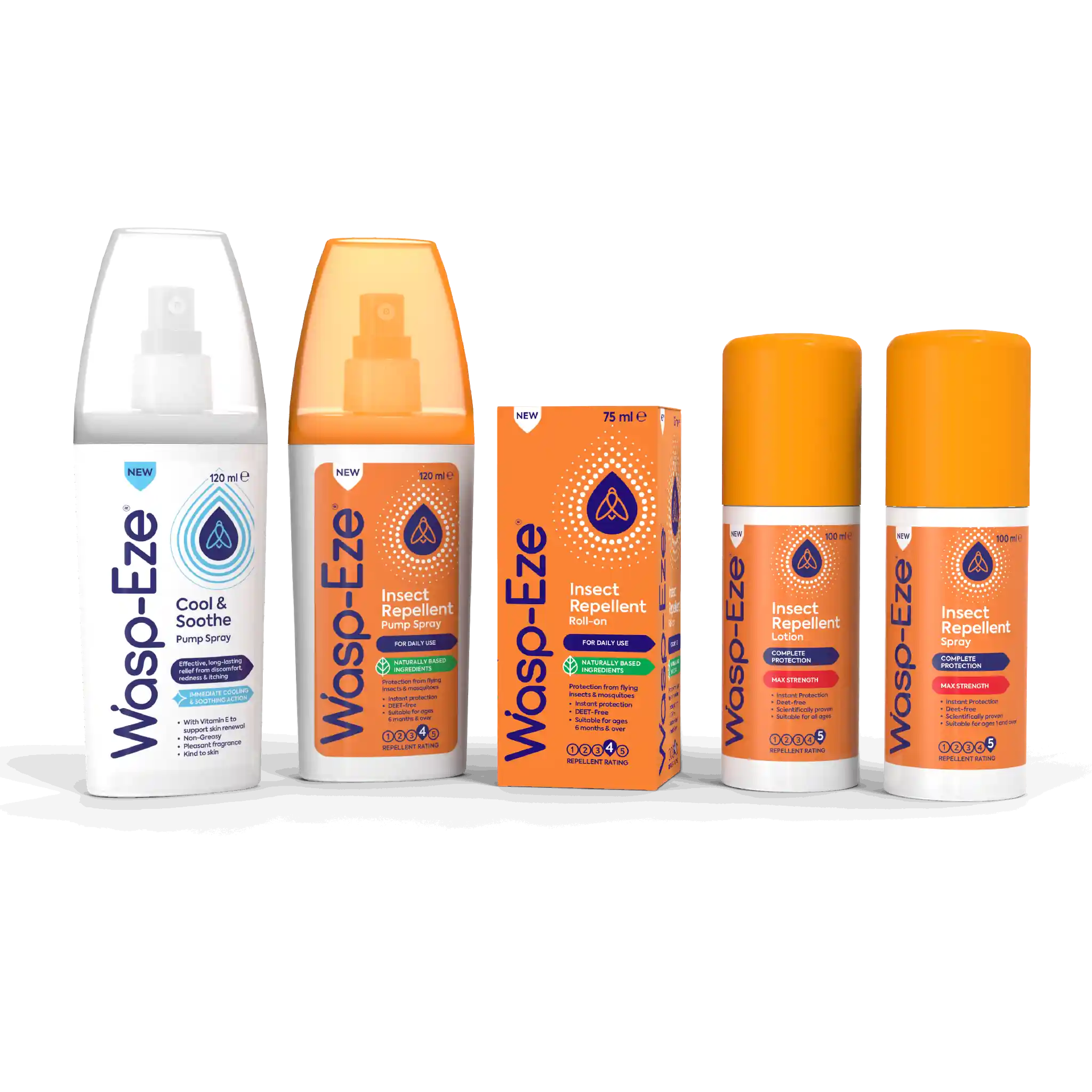
Use a Bee Sting SprayIf itching or inflammation persists, a bee sting spray can help – such as Wasp-Eze® Cool & Soothe Spray.
-
3
Care for the Skin
Try not to scratch, even if the area becomes itchy as it heals. Wasp-Eze® Cool & Soothe Pump Spray can be used to help cool and soothe the skin following a bite or sting, providing an instant refreshing, cooling sensation that helps reduce heat and discomfort at the affected area. It also contains vitamin E to support natural skin renewal.
Remember to keep the skin clean and dry, and consider covering it with a plaster if you’re outdoors.
How to Recognise a Bee Sting
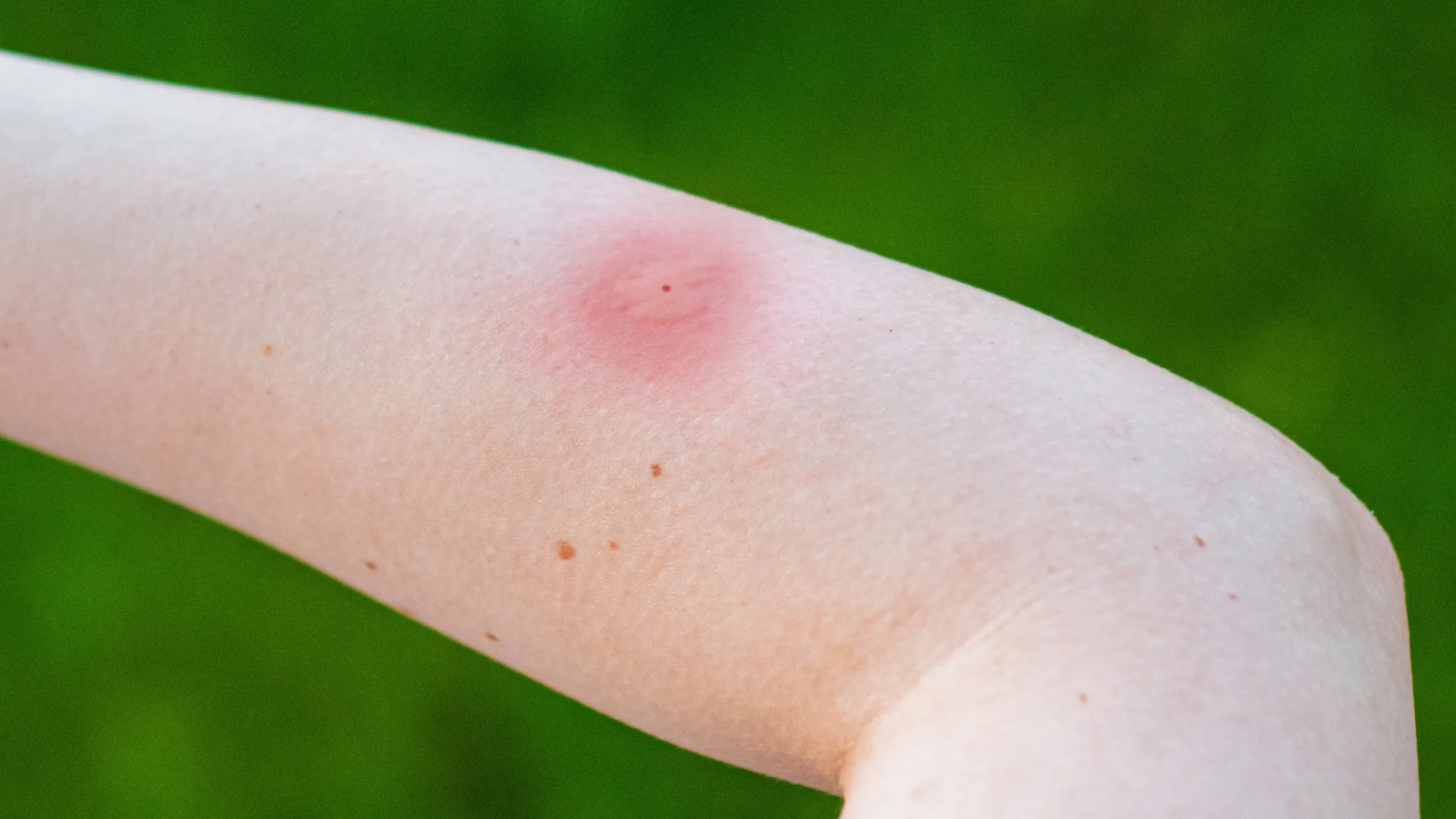
Bees tend to leave their sting behind. You may notice a small dark point in the skin, a raised welt and a burning or throbbing sensation. This local reaction usually settles within a few hours, although swelling can last a little longer.
When to Seek Medical Help
While bee stings are usually manageable at home, urgent care is needed if you notice severe symptoms such as breathing difficulty, dizziness, swelling of the face or mouth, or a spreading rash. Increasing pain, pus or fever may indicate infection and should be checked by a healthcare professional.
How to Prevent Bee Stings
A few simple habits can greatly reduce your risk of being stung by a bee. Bees are generally non-aggressive, but they may sting if they feel threatened or trapped. Taking small steps to stay aware outdoors can help keep you comfortable and protected, such as:
-

Stay calm if a bee comes close, and do not swat at it
-
Avoid quick, sudden movements – instead, move away slowly
-
Avoid wearing bright coloured clothing and strong scented perfumes.

Rely on Wasp-Eze for Fast Relief
When an insect bites or stings the skin, the body’s natural response is to release a chemical known as histamine that triggers an inflammatory reaction causing redness, swelling, and annoying itching that’s hard to ignore. Reducing itching can avoid scratching and skin infection, thereby supporting the skin’s recovery process.
For immediate cooling comfort, why not try Wasp-Eze® Cool & Soothe Pump Spray?
Wasp-Eze has been trusted by generations. It can help you feel comfortable again and get back to enjoying the outdoors.
When you want an effective bee sting relief treatment, Wasp-Eze products are here to help. Find where to buy near you.