


How to treat a horsefly bite
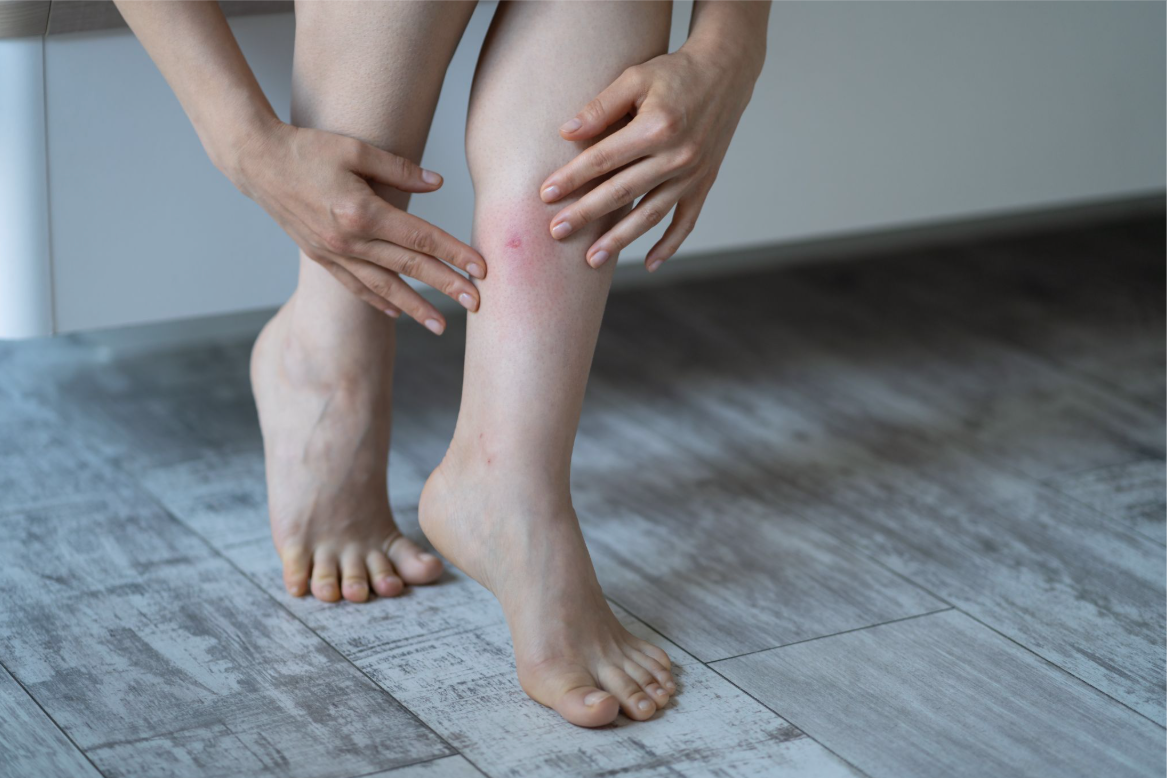
Horsefly bites can be painful, itchy and slow to settle. Unlike mosquitoes, horseflies cut the skin before feeding, which is why their bites often hurt straight away and can swell or become inflamed. For most people, a horsefly bite is not serious and does not pose a danger to your health, but it can be uncomfortable and sometimes worrying if the reaction looks severe.
In this guide, we explain how to treat a horsefly bite at home, what helps reduce itching and swelling, and when it is sensible to seek medical advice. We also look at how products such as Wasp-Eze can support bite care and prevention.
How to treat horsefly bites
Most horsefly bites can be managed with simple first-aid steps. The aim is to keep the skin clean, reduce inflammation, ease itching and protect the area while it heals.
Clean the affected area
First things first. If you’ve been bitten by a horsefly, begin by gently washing the bite site with soap and water, then pat it dry with a clean towel.
Horsefly bites can leave a small break in the skin, which makes irritation and, more importantly, infection more likely if bacteria enter the area. Cleaning the skin helps reduce this risk and support normal healing. That being said, avoid scrubbing the bite or using strong antiseptics unless advised by a healthcare professional, as these can irritate the skin further.
Use cold therapy to relieve swelling
Cold therapy can help reduce swelling, redness and pain.
An ice pack wrapped in a cloth, or a cold compress, can be applied to the bite for around 10 to 20 minutes at a time. Allow the skin to return to normal temperature between applications. Never place ice directly on the skin.
If the bite is on an arm or leg, gently raising the limb may also help swelling to settle.
Another option is Wasp-Eze® Cool & Soothe Pump Spray which is designed to deliver fast, cooling relief when you need it. Applied directly to the affected area, it combines the cooling sensation of menthol and peppermint to soothe itching and redness. It also contains vitamin E for skin renewal.
Take painkillers if needed
Some horsefly bites can be painful as well as itchy. If necessary, over-the-counter painkillers such as paracetamol or ibuprofen can be used, provided they are suitable for you and taken according to the instructions on the packet.
If you take other medicines or have an existing medical condition, check with a pharmacist before using pain relief.
Protect the bite from scratching
Scratching can delay healing and increase the risk of infection. If you find it difficult not to touch the bite, lightly covering it with a breathable plaster or dressing may help protect the area, especially if clothing rubs against it.
Keeping fingernails short can also reduce skin damage. If itching returns, reapplying cold therapy or a suitable bite treatment may help calm the area without scratching.
When to seek medical advice
Most horsefly bites improve within a few days with simple home care. However, some reactions need medical assessment.
You should seek urgent medical help by calling 999 or attending A&E if at any point you experience difficulty breathing, wheezing, swelling of the face, lips, tongue or throat, or if you feel faint or collapse. These symptoms may indicate a serious allergic reaction and require immediate treatment.
You should contact your GP, attend an urgent care centre, or seek advice from NHS 111 if symptoms are not improving or if:
- Swelling, redness or pain continues to worsen after 24 to 48 hours
- The skin becomes very red, hot, painful or starts to ooze pus, which may suggest infection
- You develop a fever or feel generally unwell
- The bite is near the eyes, mouth or inside the throat
Medical advice is also important if the person bitten is a young child, has a weakened immune system, or has a history of severe allergic reactions to insect bites or stings.
Prompt assessment can help rule out complications and ensure appropriate treatment if needed.
Preventing future horsefly bites
Preventing bites where possible can help avoid discomfort altogether. Horseflies are most active in warm weather, particularly near water, farmland and grassy areas.
Wearing long sleeves and trousers, avoiding strong fragrances and using an insect repellent on exposed skin can all help reduce the risk of being bitten.
By combining prevention with prompt, appropriate treatment, most horsefly bites can be managed effectively, helping you stay comfortable and confident when spending time outdoors.