


How to treat insect bites
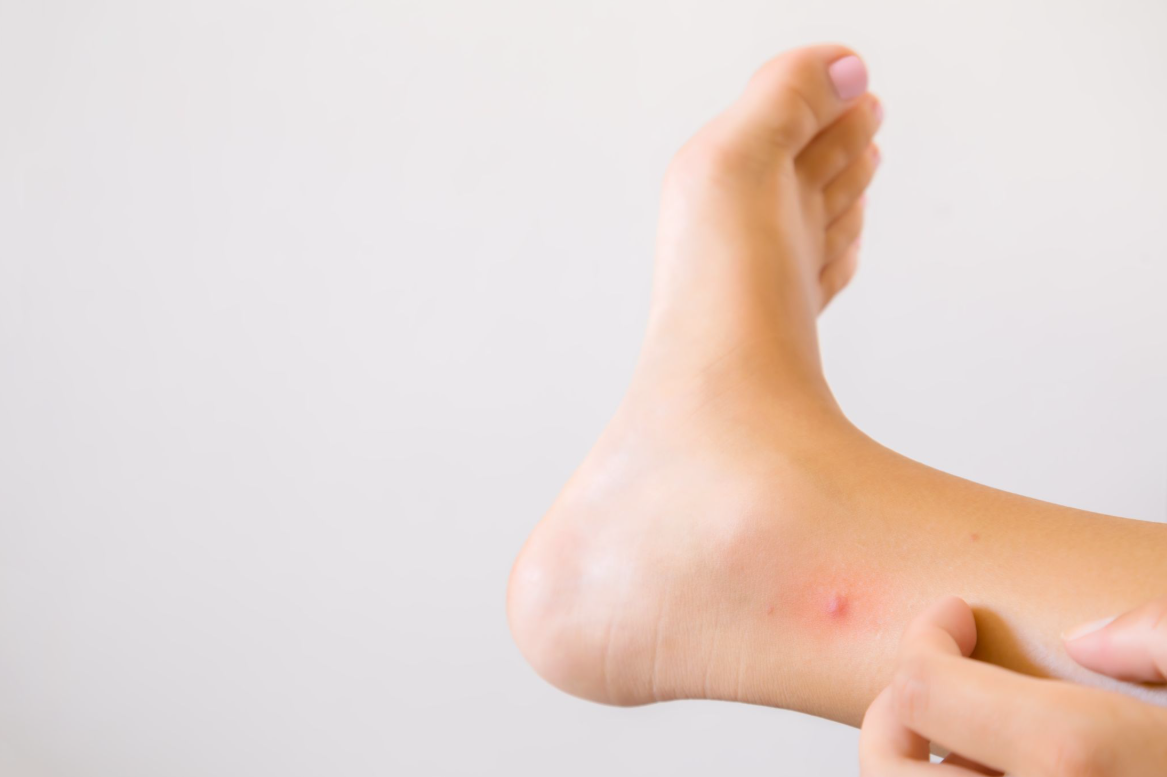
Insect bites are common when you’re spending more time outdoors, especially in warmer weather and even mild bites, can be uncomfortable and distracting. Most bites are harmless and often look worse than they are but they can still be uncomfortable, itchy and distracting, particularly for children. Knowing how to treat a bite properly can help soothe symptoms quickly and reduce the chance of infection.
In this guide, we explain how to treat insect bites step by step, how long itching and other symptoms usually last and when it’s important to get medical advice.
How to treat an insect bite
Most insect bites can be managed safely at home with a few simple steps. Acting early often makes a big difference to how itchy or swollen the bite becomes.
Clean the bite thoroughly
The first step is always to clean the area.
Wash the bite gently with soap and water, then pat the skin dry. This helps remove bacteria , sweat and dirt that could irritate the skin or increase the risk of infection, especially if the bite has been scratched.
if the bite is actually a sting and you can see a stinger left in the skin, remove it as soon as possible. Gently scrape it out sideways using a fingernail or he edge of a clean card. Avoid squeezing the area, as this can push more venom into the skin.
Use cold therapy to relieve swelling
Cold treatment can be very effective for reducing swelling and easing itchiness.
To use cold therapy safely:
- Wrap an ice pack or a bag of frozen vegetables in a cloth
- Apply it to the bite for up to 10-15 minutes
- Repeat as needed, allowing the skin to warm up between applications
Wasp-Eze® Cool & Soothe Pump Spray is designed to deliver fast, cooling relief; it’s a convenient on-the-go option. Applied directly to the affected area, it combines the cooling sensation of menthol and peppermint to soothe itching and redness. It also contains vitamin E for skin renewal.
Take painkillers if needed
Some insect bites and stings can painful as well as itchy, particularly wasp, bee or horsefly stings.
If the area is sore, simple painkillers such as paracetamol or ibuprofen may help reduce discomfort. Always follow the dosage instructions on the pack and check they are suitable for you or your child. Some people, including those with certain medical conditions or who are pregnant, may need to avoid certain painkillers.
Avoid scratching the bite
Scratching might feel good in the moment but it often makes things worse.
Scratching can:
- increase redness and swelling
- damage the skin
- raise the risk of infection.
To reduce the urge to scratch, focus on treating the itch instead. Cold compresses and appropriate creams can help. Keeping fingernails short is also a good idea, especially for children. In some cases, covering the bite with light clothing or a plaster can prevent accidental scratching.
If the skin becomes broken, sore, or starts to look infected, seek medical advice.
When should you see a GP or go to hospital?
Most insect bites and stings can be treated at home. However, there are times when you should get medical help.
You should contact your GP, a pharmacist, or NHS 111 if:
- the bite becomes increasingly red, hot, painful or swollen after a few days
- redness spreads widely around the bite
- there is pus, fluid or other signs of infection
- the bite is not improving after several days
- a child has been bitten and symptoms seem more severe than expected.
You should seek urgent medical help or call 999 if you notice signs of a serious allergic reaction, such as:
- swelling of the lips, tongue, throat or face
- difficulty breathing or wheezing
- feeling dizzy, faint or confused
- a fast or irregular heartbeat
- collapse or loss of consciousness.
Severe allergic reactions (anaphylaxis) are rare but they are a medical emergency and need immediate treatment. If you are ever unsure, it’s always safer to get medical advice rather than wait.
How long can insect bites last?
How long an insect bite lasts varies from person to person. It depends on the type of insect, where you were bitten, and how your immune system reacts.
For many people, symptoms such as redness and itching improve within a few hours to a couple of days, especially if the bite is treated early and not scratched.
In some cases, bites can last up to a week or longer. This is more likely if:
- you have a stronger reaction to bites
- the bite becomes irritated or scratched
- the bite is in an area where clothing rubs.
If a large area of skin becomes very swollen or symptoms are getting worse rather than better, it’s important to seek medical advice.
Preventing bites in the first place
While treatment is important, prevention is even better.
Simple steps can help reduce your risk of being bitten:
- cover exposed skin when possible
- avoid strong perfumes and scented products outdoors
- use an insect repellent on exposed areas of skin.
Wasp-Eze insect repellent products, including Wasp-Eze® Insect Repellent Max Strength Spray and Lotion range, provides powerful, long-lasting protection from mosquitoes, ticks and other biting insects. Formulated with IR3535, a scientifically proven, DEET-free active ingredient, both formats offer up to 8 hours of protection in an odourless formula that’s kind to skin.
Always read the label and use products as directed.