


How to deter wasps
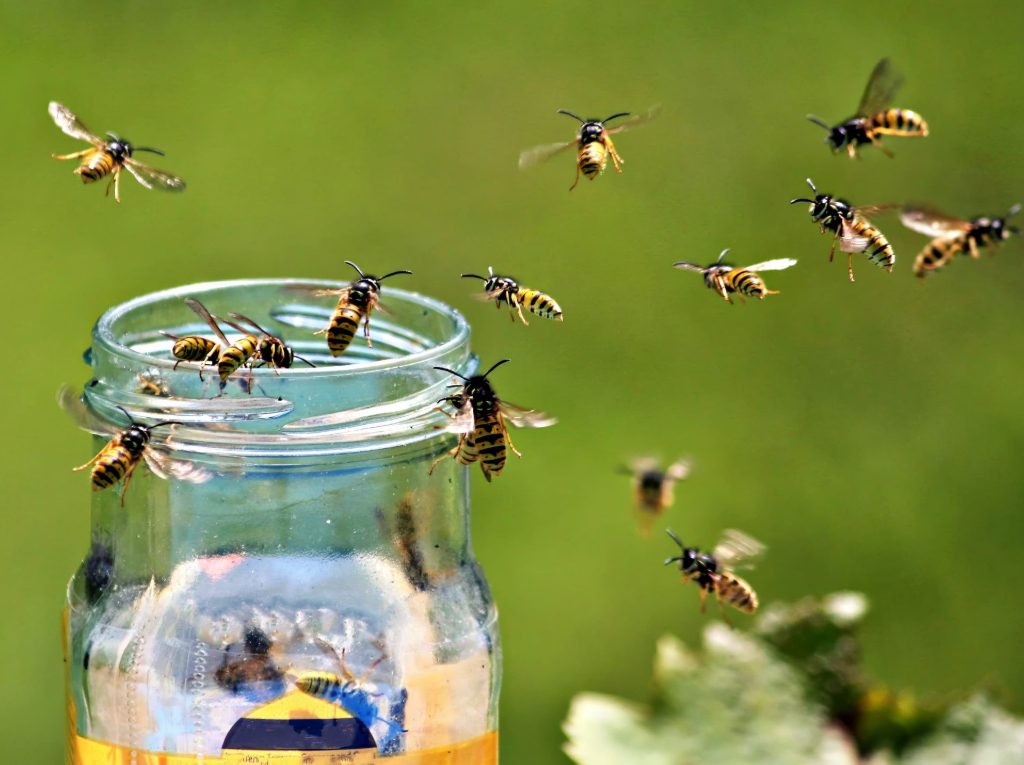
Wasps have an unfortunate habit of turning up just as summer gets enjoyable. They seem to arrive the moment food or drink appears outdoors, and soon enough they’re circling plates, hovering over glasses and generally making a nuisance of themselves.
Part of the frustration is how persistent they can be. Wasps are highly motivated by food – especially sugary drinks and protein-rich leftovers – and once they’ve found a source, they tend to stick around.
However, wasps are still a vital part of the ecosystem. Understanding how you can deter these pesky insects without resorting to trapping or killing them can help to make your summer a little more peaceful.
How to get rid of wasps
There’s no single, guaranteed way to keep wasps away, and that’s part of what makes them so frustrating. Different situations, environments and even different wasps can respond in different ways – what works well in one garden or at one picnic might be less effective elsewhere.
The effectiveness of any one approach can also depend on factors like the time of year, the weather and what the wasps have been eating – as fermented fruit can make them drunk and more likely to sting. Plus, a wasp that feels threatened is more likely to be aggressive.
Fun fact! Although wasps are active throughout the summer months, they’re usually not much of a nuisance until around August when the queen stops laying eggs in the nest.
Fortunately, there are lots of different methods you can use to help deter wasps from spoiling your day, from removing what attracts wasps in the first place to encouraging them to move elsewhere.
Deterring wasps is often about trial and error rather than a single fix. Small changes used together, such as those mentioned below, can help to make your outdoor spaces less appealing to wasps overall.
Avoid leaving food unattended
Leaving food and drinks unattended is one of the quickest ways to attract wasps. Open plates, sweet drinks and leftovers give them an easy food source, and once they find it, they’re likely to keep returning.
Wasps communicate food finds to others, so a single uncovered drink can quickly draw more attention. Keeping food covered and clearing leftovers promptly makes the area far less appealing. Drinks with lids or covers are especially helpful, as sugary liquids are a major draw.
Top tip! Try to avoid drinking out of cans. If a wasp has made it inside while you weren’t looking, it can make for a nasty surprise!
While it can be tricky to manage with young children, it’s worth knowing that even short periods of distraction can be enough for wasps to move in. Avoid leaving lids off foods while distributing at a picnic, and try to limit eating to a small window rather than spreading it out across the day.
Go easy on fragrances
Perfumes, aftershaves, scented lotions and hair products often contain sweet or floral notes that can mimic the smells wasps associate with nectar and ripe fruit. To a wasp, that scent can signal a potential food source worth investigating.
Wearing heavily fragranced products outdoors can make you more noticeable, especially when eating or drinking at the same time. Choosing unscented or lightly scented products helps to reduce this signal and makes you less interesting to wasps and other insects.
While it won’t stop wasps entirely, avoiding strong fragrances can lower the chances of them hovering around you in search of an easy meal.
Hang a fake nest in your garden
Wasps are territorial insects and tend to avoid nesting near other colonies, as competition can lead to conflict. A realistic-looking decoy can give the impression that the area is already occupied, encouraging wasps to look elsewhere instead.
This method tends to work best early in the season, before wasps have established nests of their own. Placement also matters. Hanging the decoy in a visible, yet sheltered spot can make it more convincing.
It’s also a technique that’s best suited to a space you have control over, like your own garden as opposed to a public park. While it won’t work in every situation, a fake nest can be a useful part of a wider wasp-deterring approach.
Attract them elsewhere
Just as it’s a good idea to avoid leaving out food you do want to eat, it can be a clever technique to leave out something you’re not bothered about. Using a sacrificial sugary food source, such as the last blob of jam in the jar, can help to attract wasps away from where you’re sitting.
Wasps are highly food-focused, especially in late summer, and will often concentrate on the easiest available source. By placing something sweet well away from your table, you give them an alternative target that draws their attention elsewhere.
The key is distance. Position the jam far enough away that wasps are encouraged to gather there rather than hovering around people, plates or drinks. This approach won’t remove wasps entirely, but it can reduce how often they bother you directly.
Plant wasp-repelling flowers, herbs and shrubs
Planting certain flowers, shrubs and herbs can help to make a garden less appealing to wasps by introducing scents they tend to avoid. When planted around seating areas, patios or doorways, their aromas can help to mask food smells that would otherwise attract wasps.
Strong-smelling plants often cited as natural deterrents include:
- Lavender
- Mint
- Eucalyptus
- Lemongrass
- Wormwood.
Herbs like basil, rosemary and thyme can also contribute to this effect, particularly when brushed against or warmed by the sun, which releases more scent.
While planting alone won’t keep wasps away entirely, it can help to reduce their interest in your and your garden. By combining this technique with other deterrents, such as a decoy nest and avoiding strong fragrances, you can start to build a wider wasp-deterring strategy.
Of course, these techniques aren’t infallible, and sometimes getting stung is out of your control. Like humans, wasps can overindulge and act irrationally – and that can lead to incidents nobody wants to see a repeat of.
Because of this, it’s wise to not only deter wasps, but also have the tools you need to treat a sting when needed. Our Wasp-Eze® Cool & Soothe Pump Spray provides targeted, effective relief from bites and stings. Applied directly to the affected area, it contains the clinically proven antihistamine diphenhydramine that reduces the inflammatory response to histamine. And our Wasp-Eze® Cool & Soothe Pump Spray is designed to deliver fast, cooling relief exactly when you need it. Apply it directly to the affected area after a bite or sting for the cooling sensation of menthol and peppermint to soothe itching and redness.
Deterring wasps is rarely about one magic fix, but a handful of sensible tactics working together. By understanding what draws them in and what puts them off, you can tip the balance back in your favour and enjoy summer outdoors with far fewer unwelcome interruptions – while still staying prepared for the unexpected.