


Do natural insect repellents work?
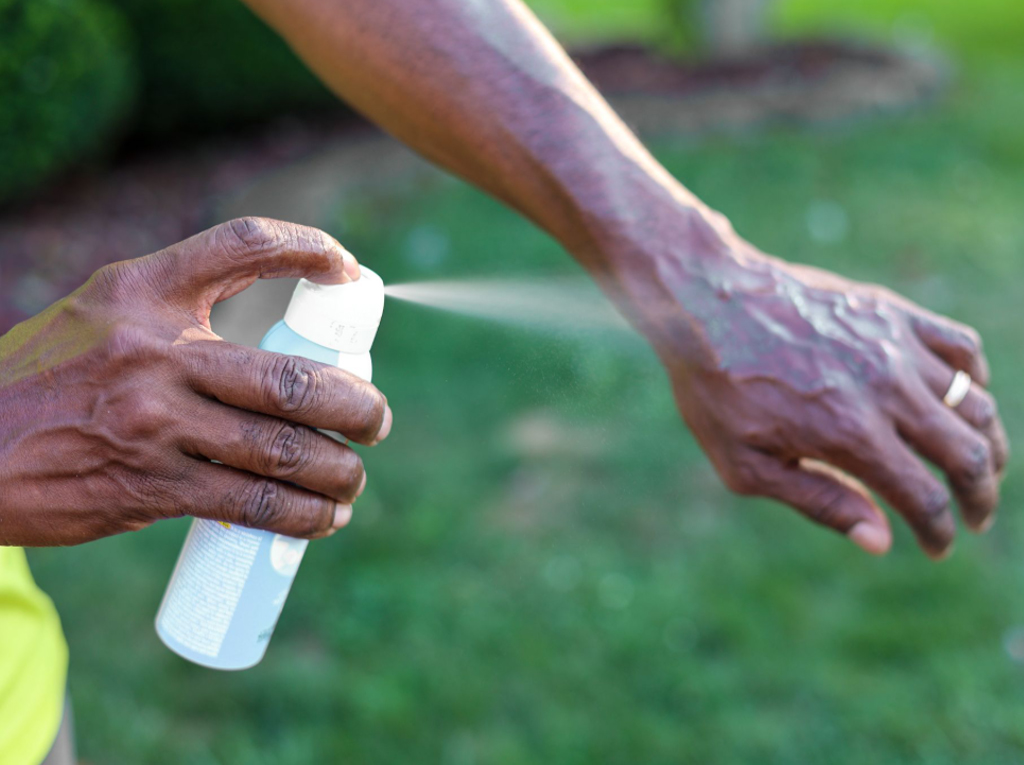
If you are trying to avoid bites and stings, you have probably noticed there is more choice than ever. Alongside traditional insect repellents made with ingredients like DEET, shelves are now packed with ‘natural’ alternatives. These often promise a gentler feel, a nicer smell and fewer concerns about what you are putting on your skin. But how do they really compare, and do natural options work as well as their DEET-based counterparts?
The short answer is yes, natural insect repellents can work. The longer answer is that effectiveness depends on what the product contains, how long it lasts and the level of protection you actually need. DEET-based repellents are known for long-lasting protection, while natural formulas often suit shorter, everyday use. Understanding these differences helps you choose the right option for your plans, rather than relying on guesswork or hope alone.
Is natural insect repellent effective?
Natural insect repellents usually rely on plant-based ingredients, such as essential oils or extracts, to reduce bites. Common examples include eucalyptus citriodora, citronella, lavender and geraniol. These ingredients affect insects in two main ways.
First, they can mask the smells that attract insects to us in the first place. Mosquitoes and other biting insects find people by detecting carbon dioxide from our breath and a complex mix of skin odours. If those signals are disrupted, insects struggle to home in on us. Second, some plant-based ingredients create scents that insects prefer to avoid, encouraging them to keep their distance.
In real-world terms, this means natural repellents can reduce the number of insects that land on you and bite. For everyday situations, such as time in the garden, a walk in the park or a UK summer evening outdoors, this level of protection is often enough.
What matters is duration. Natural repellents tend to work for a shorter time than some synthetic options. Protection may last two to four hours, depending on the formula, the weather and how active you are. Heat, sweat and swimming can all reduce how long they stay effective, so reapplication is key.
This is why product choice matters. For example, both the Wasp-Eze® Insect Repellent Roll-on and Pump Spray are naturally based and designed for everyday use, offering up to four hours of protection against mosquitoes and other biting insects. It is easy to reapply, suitable for the whole family (6 months+).
By contrast, if you are heading somewhere with a high insect burden or spending long periods outdoors without easy access to reapply, a longer-lasting repellent may be more appropriate. This is where other non-DEET alternative options such as IR3535-based repellents come into their own, offering extended protection while still avoiding some of the drawbacks people associate with older formulations.
Are natural insect repellents safer?
“Natural” often sounds safer, but it is worth being precise about what that really means. Natural insect repellents are generally well tolerated and are often chosen because they feel gentler on the skin or have a milder smell. Many are suitable for children and for frequent use, when applied as directed.
However, natural does not automatically mean risk-free. Essential oils are biologically active substances. In some people, they can cause skin irritation or allergic reactions, especially if applied too often or at higher concentrations. This is why proper formulation matters more than the ingredient list alone.
Well-designed repellents balance effectiveness with skin comfort. They are tested to ensure they can be used safely on the skin they are intended for, including sensitive skin. Always follow age guidance and usage instructions, particularly for babies and young children.
It is also important to avoid a false sense of security. If a repellent, natural or otherwise, is not strong enough for your situation, you may still get bitten. Bites are not just irritating; they can become infected through scratching, and stings can trigger allergic reactions in some people.
That is why protection and treatment go hand in hand. Even with careful repellent use, bites can still happen. Having something to soothe the skin afterwards makes a big difference to comfort and recovery.
When an insect bites or stings the skin, the body’s natural response is to release a chemical known as histamine that triggers an inflammatory reaction causing redness, swelling, and annoying itching that’s hard to ignore. Reducing itching can avoid scratching and skin infection, thereby supporting the skin’s recovery process. Wasp-Eze® Insect Bites, Stings & Allergy Relief Cream contains the clinically proven antihistamine diphenhydramine that reduces the inflammatory response to histamine.
Used alongside repellent, it helps cover both prevention and aftercare, rather than relying on one alone.
Final thoughts
Natural insect repellents do work, particularly for everyday situations and moderate insect exposure. They can be effective, convenient and suitable for family use, as long as you understand their limits and reapply when needed.
They are not automatically safer simply because they are natural, but well-formulated products are generally gentle and well tolerated when used as directed. Matching the level of protection to your plans is the key step many people miss.
Whether you choose a naturally based repellent or a longer-lasting DEET-free option, combining prevention with effective after-bite treatment gives you the best chance of enjoying time outdoors without insects spoiling the fun. With the right balance, staying bite-free can feel straightforward rather than stressful, and summer can get back to being something to look forward to.