


What attracts mosquitoes?
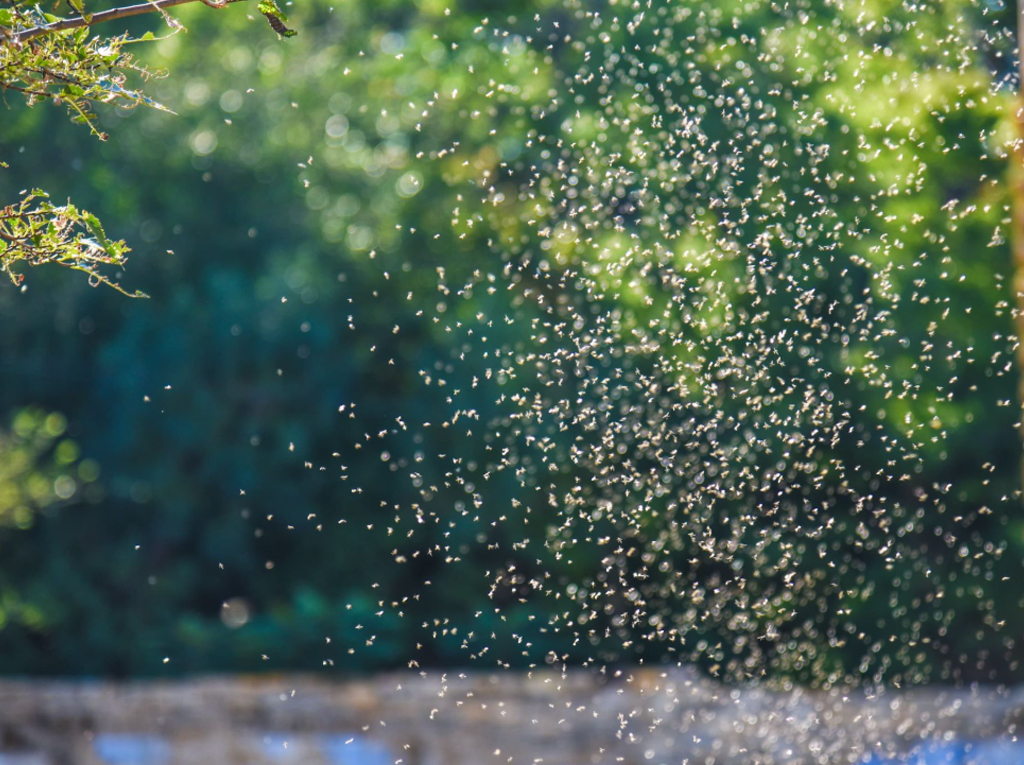
Mosquitoes in the UK have an annoying knack for finding us when we want to enjoy the outdoors. Ideally, the simplest way to avoid them would be to steer clear of their favourite habitats – especially at dawn and dusk when they’re most active. But real life is rarely that tidy.
Whether you’re enjoying a summer evening in your garden, out for a dog walk, attending a barbecue or you even just have the windows open when the weather’s warm, structuring your life around the local mosquito population isn’t always an option.
That’s where insect repellent comes in. When avoiding mosquitoes altogether isn’t practical, a good repellent helps to tip the odds back in your favour. But repellent is only part of the picture, and understanding what attracts mosquitoes in the first place can also be surprisingly useful.
What are mosquitoes attracted to?
Some people seem to be bitten far more than others, and that’s not always just bad luck. While science hasn’t pinned down a clear, definitive answer as to why mosquitoes prefer some people over others, studies have uncovered links that may help to explain this behaviour
Mosquitoes are guided by a mix of biological and environmental cues, some of which we can influence more than others. Things like your breath, natural skin chemistry and even how you dress all appear to play a role in how attractive we are to mosquitoes.
This doesn’t mean you can completely mosquito-proof yourself just by switching up your habits. Steering clear of known mosquito hotspots is still good advice, and so is using a powerful repellent like Wasp-Eze® Insect Repellent Max Strength Lotion and Spray to enjoy long-lasting DEET-free protection from mosquitoes, ticks and other biting insects. The alcohol-free lotion is suitable from birth, while the spray is suitable for ages one year and over. Both formats offer up to 8 hours of protection in an odourless formula that’s kind to skin.
Still, understanding these mosquito behaviour patterns may help you to make small, practical changes that reduce your chances of being singled out when you’re enjoying the weather.
Carbon dioxide
Every time you breathe out, you release carbon dioxide into the air, and mosquitoes are highly tuned to detect it. They use specialised sensors to pick up carbon dioxide from several metres away, following the trail until it leads them to a potential meal.
People who breathe out more carbon dioxide can be more noticeable to mosquitoes. This includes:
- Young adults, as opposed to children or the elderly
- People with a higher proportion of muscle mass
- Those who are currently exercising
- People who have eaten within the last two to three hours
- Those with a higher body weight, including during pregnancy.
To reduce your risk of being bitten by mosquitoes, it may be wise to avoid heavy exercise outdoors during their peak activity hours. This means you’re likely to be releasing less carbon dioxide in your breath when outside, making you look a less attractive target.
Specific body odours
Mosquitoes don’t rely on sight or carbon dioxide alone to find us. They’re also strongly influenced by body odours, many of which we produce without noticing.
Human skin naturally releases a blend of scents through various compounds including lactic acid and fatty acids. Some combinations of these smells seem to attract mosquitoes, while others may act as a natural repellent, and the balance between the two may be a critical factor.
However, not all body odours are natural. Artificial scents can also influence how attractive you are to mosquitoes.
Strong fragrances from perfumes, aftershaves, scented lotions and hair products may mimic or amplify natural skin odours. Some sweet or floral notes appear especially appealing, making it easier for mosquitoes to home in on you, particularly in warm outdoor settings.
So what can you do about this? Well, you can’t do much about your natural body odour, but it may help to avoid strongly scented products if you’re visiting a mosquito habitat near dawn or dusk. You may find trial and error helps you to identify particularly attractive fragrances.
Your skin’s microorganisms
The microorganisms that live naturally on your skin can play a surprisingly important role in how attractive you are to mosquitoes. These tiny organisms help break down components of sweat and skin oils, producing that range of subtle scents we’ve discussed in the process.
What makes this interesting is that everyone’s skin microbiome is different. Variations in the balance of microorganisms on the skin can change how someone smells to mosquitoes, even if two people sweat the same amount. This helps to explain why one person might be repeatedly targeted while another is left untouched.
The colour of your clothing
Believe it or not, your choice of clothing can have a big impact not just on how likely you are to be bitten, but also how attractive mosquitoes find you in the first place.
Research suggests that mosquitoes are more visually attracted to darker colours, particularly black, navy, red and deep blues. These shades create stronger contrast against the background, making it easier for mosquitoes to spot a potential target.
Lighter colours such as white, beige, pastels and light greys tend to reflect more light and are less visually striking to mosquitoes. Another practical advantage of light-coloured clothing is that it’s easier for you to see mosquitoes landing on it. This can give you a chance to shoo them away before they bite, and can let you know when it’s time to reapply repellent.
Colour choice can matter even more in warm weather. Dark clothing absorbs heat, which can lead you to sweat more so mosquitoes can track you down. Light-coloured, loose-fitting clothing helps to keep you cooler.
Popping on some lighter-coloured clothing won’t make you invisible to mosquitoes, but it can be a smart choice if you’re heading outdoors in summer – especially in low-light conditions when mosquitoes are most active.
Mosquitoes may be persistent, but they’re not unbeatable. Once you know what draws them in, you can make subtle changes, stack the odds in your favour and let a reliable repellent do the heavy lifting.
The result? More time enjoying the outdoors, and far less time playing host to unwanted mosquito bites.