


What is DEET?
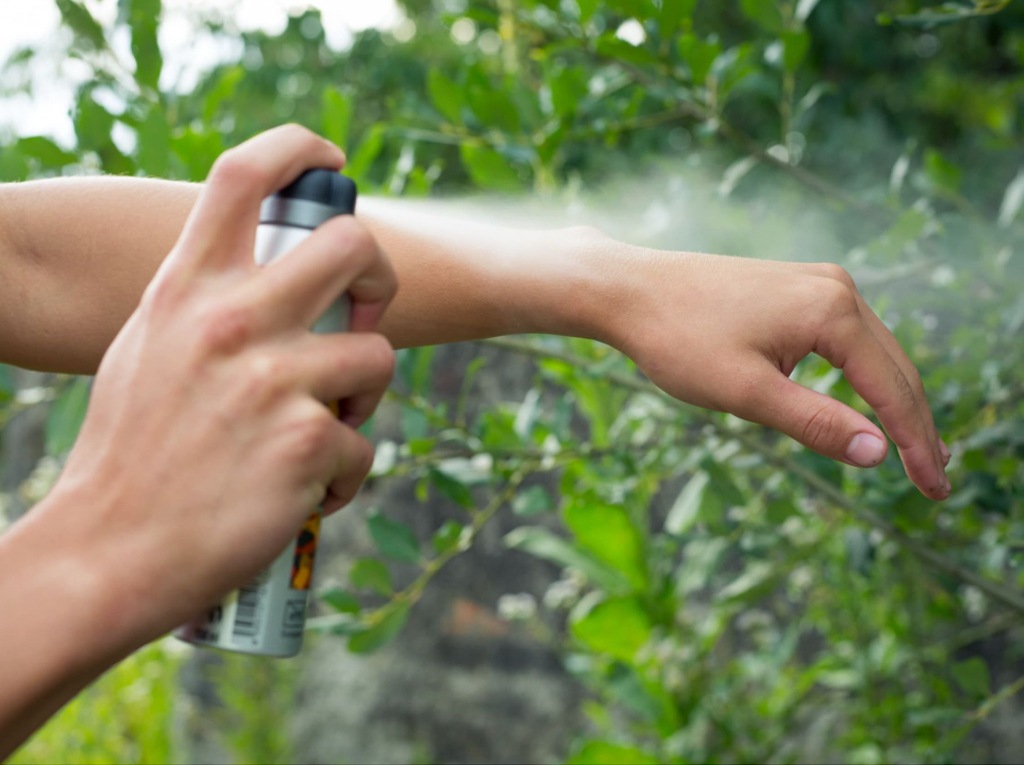
When it comes to insect repellent, few ingredients provoke as much curiosity, confusion and opinion as DEET. It’s a name most people recognise, often mentioned on labels, in travel advice or in conversations about strong repellents – yet not everyone is clear on what it really means or why it’s used.
For some, DEET is seen as the gold standard. For others, it raises questions about strength, suitability and whether there are alternatives worth considering.
Understanding DEET matters because choosing an insect repellent isn’t just about avoiding irritation. It’s about knowing what you’re putting on your skin and whether it suits your lifestyle, destination or family.
Before deciding what’s right for you, it can help to step back and look at DEET in context, without assumptions, hype or scare stories.
What is DEET in insect repellent?
DEET is one of the most well-known and widely used active ingredients in insect repellents worldwide. Its name comes from its chemical identity – abbreviated because N,N-diethyl-meta-toluamide is quite a mouthful!
In practical terms, DEET is valued for one main reason: it helps to stop insects from biting. It’s been used for decades and remains a benchmark against which many other repellents are compared.
Put simply, DEET works by interfering with the sensory systems insects use to locate people. It doesn’t kill insects or create a physical barrier – instead, it makes it harder for them to recognise humans as a target.
DEET is effective against a wide range of biting insects, offering broad protection particularly in areas where insect bites are not just irritating but can also pose health risks.
While DEET is highly effective, it isn’t the only option available. Understanding what DEET is and how it works helps people to make informed choices when comparing repellents and deciding what best suits their needs.
Is DEET harmful?
One of the biggest concerns about using a new insect repellent is whether it could cause you or your loved ones harm. This is especially important for products intended to be used frequently or with young children.
The short answer is that DEET has been used for decades and is considered effective when used as directed. Regulatory bodies have reviewed it extensively, and for most adults it’s generally regarded as safe. That said, ‘safe to use’ doesn’t always mean ‘right for everyone’.
Some people prefer to avoid DEET due to safety concerns. Anecdotally, people may have greater worries where repellents are used regularly, on young children, during pregnancy or applied over large areas – though the data shows DEET is suitable for these cases.
However, many people now look for alternatives to DEET that still offer reliable protection. This is where ingredients such as IR3535 or naturally-based alternatives come into the conversation.
Our Wasp-Eze® Insect Repellent Max Strength Lotion and Spray uses an odourless, DEET-free and alcohol free formula containing IR3535 to provide long-lasting protection against mosquitoes, ticks and other biting insects.
Alternatively, if you prefer a repellent with naturally based ingredients, our Wasp-Eze® Insect Repellent Roll-on and Pump Spray offers four hours of protection against mosquitoes and other flying insects in an easy-to-apply format that’s suitable for ages six months and up.
To be clear, many people use DEET without any problems. But for others, IR3535 or naturally based repellents strike a reassuring balance between proven effectiveness and everyday comfort, without the downsides they associate with DEET.
Ultimately, the best insect repellent is the one you feel comfortable using properly and consistently. For those who want effective protection without relying on DEET, modern alternatives like IR3535 offer a confident, well-tolerated option that fits easily into everyday life.