


When to worry about mosquito bites
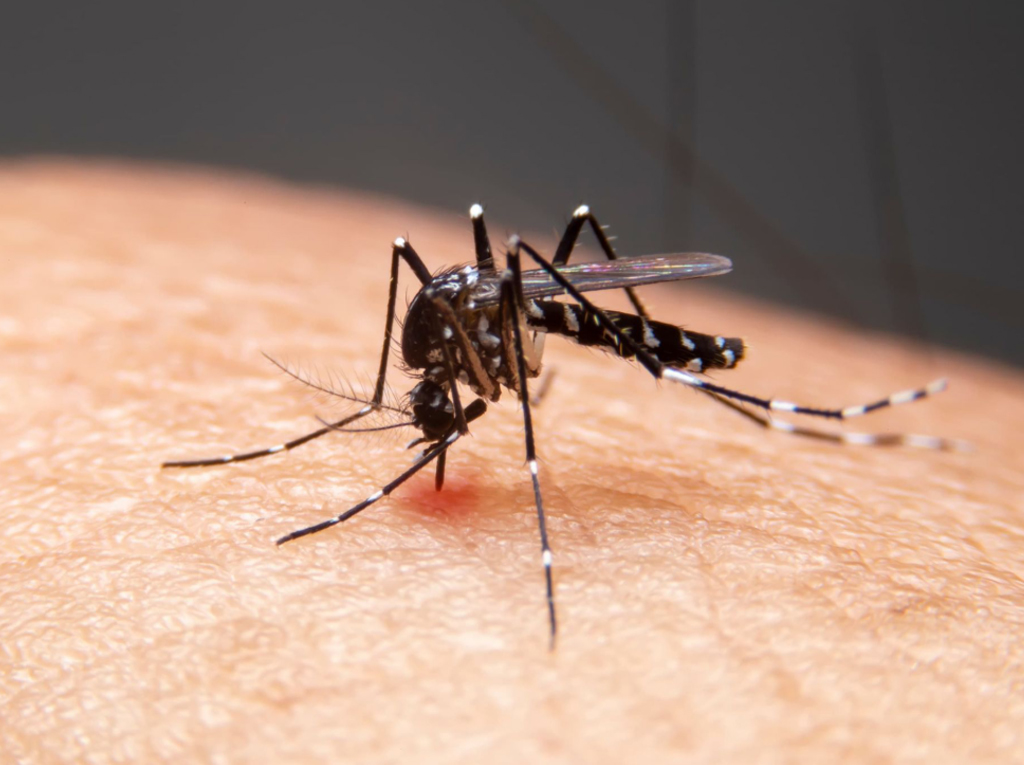
Mosquito bites are a common nuisance during the warmer months, but for most of us, they’re just a temporary irritation. A quick itch, a bit of swelling and then they usually fade within a few days.
While most bites are harmless, sometimes they can lead to more serious issues, like infections, allergic reactions or the transmission of diseases. Understanding the signs that a bite may need medical attention can help you to act quickly, avoiding unnecessary complications.
In this blog, we’ll explore the common symptoms of mosquito bites and when they’re a cause for concern. Whether you’re new to mosquito bites or you’ve had them before, this guide will help you to understand when a bite requires professional medical attention.
What does a mosquito bite look like?
An insect bite is one of those unmistakable nuisances – you’ll know it when you see it. But how can you tell what kind of insect you’ve been bitten by? Sometimes, the look of the bite can give you clues.
Mosquito bites usually start as a small, raised bump, often a pinkish-red colour with a slightly pale centre. If you’re lucky enough to be bitten multiple times, you might find a few bites clustered together – which is especially common if you’ve wandered into a mosquito hotspot, like a garden at dusk or near standing water.
At first, the bite may just feel like a mild irritation, easily ignored. But give it a few minutes, and that itch kicks in like clockwork. The bite starts to swell slightly, and your skin may feel warm to the touch as your body’s immune system goes into action.
The itchy sensation is caused by the mosquito’s saliva, which it deposits while feeding. This saliva contains proteins that stop your blood from clotting, and your body’s immune system sees it as a foreign invader, setting off an inflammatory response.
This natural defence mechanism causes swelling, redness and, of course, that maddening itch. While it’s definitely not a comfortable experience, this process is meant to protect you, and so it’s nothing to be concerned about.
How do I know if a mosquito bite is infected?
While mosquito bites are typically harmless, they can sometimes become infected if not properly cared for. The signs of infection usually appear when bacteria enter the bite through scratching or poor hygiene.
One of the first things to watch for is increased redness. While some redness around a mosquito bite is normal, if it spreads beyond the bite site or becomes more intense, it could signal infection. The skin might also appear shiny or tight, which indicates swelling and inflammation.
Pain is another key indicator. Initially, mosquito bites are just itchy, but if the area becomes increasingly painful, it could be a sign that something more serious is going on. The area might feel sore or tender even when not being touched, which is different from the mild discomfort of a normal bite.
Another sign of infection is the presence of pus or discharge from the bite. If the wound begins to ooze or form a crust that doesn’t heal properly, bacteria may have entered the skin.
Finally, keep an eye on your overall health. If you develop a fever, swollen lymph nodes, dizziness or feel generally unwell, it’s important to seek medical advice, as these are signs that the infection may be spreading.
Worried about disease transmission? While mosquito bites in the UK can be itchy and annoying, the good news is that they don’t typically pose a malaria risk. That’s because our home-grown mosquitoes don’t carry the malaria parasite.
It’s very rare in the UK to contract a disease from a mosquito bite, though climate change is making our environment more palatable to disease-carrying mosquitoes. That’s why it’s important to keep an eye on your general health after a bite – in the vast majority of cases, you’ll be fine, but if you do feel unwell, you can get medical attention sooner rather than later.
If you’re travelling to malaria-endemic areas, though – typically tropical and subtropical regions – it’s vital to take preventive measures. Checking before you travel can help you to make sure you’re prepared for whatever the local insect population has in store.
How long do mosquito bites last?
The healing time for mosquito bites depends on whether the bite becomes infected or not, as well as individual skin sensitivity and how well you care for the bite.
Non-infected mosquito bites typically heal within a few days to a week. The initial itching and swelling usually peak within the first 24 hours, then gradually subside. The redness and swelling should start to reduce after a few days, and the bite site may still itch slightly for up to a week before it fully heals.
With proper care, such as avoiding scratching and applying soothing treatments like Wasp-Eze® Insect Bites, Stings & Allergy Relief Cream – which contains the clinically proven antihistamine diphenhydramine that reduces the inflammatory response to histamine.
Or, if you need more instant relief, Wasp-Eze® Cool & Soothe Pump Spray works effectively to cool mosquito bites and stings. It can help calm redness and itching with menthol and peppermint oil, and contains vitamin E to support skin renewal.
An infected mosquito bite may hang around a little longer, depending on the severity of the infection but it shouldn’t overstay its welcome. With the right treatment, you can usually expect the bite to start calming down within a few days.
A little common sense goes a long way. Keep bites clean, resist the urge to scratch and treat them early to help your skin heal faster and avoid infection. If you notice it getting worse or not improving, that’s your cue to get it checked rather than toughing it out.