


Why do insect bites itch?
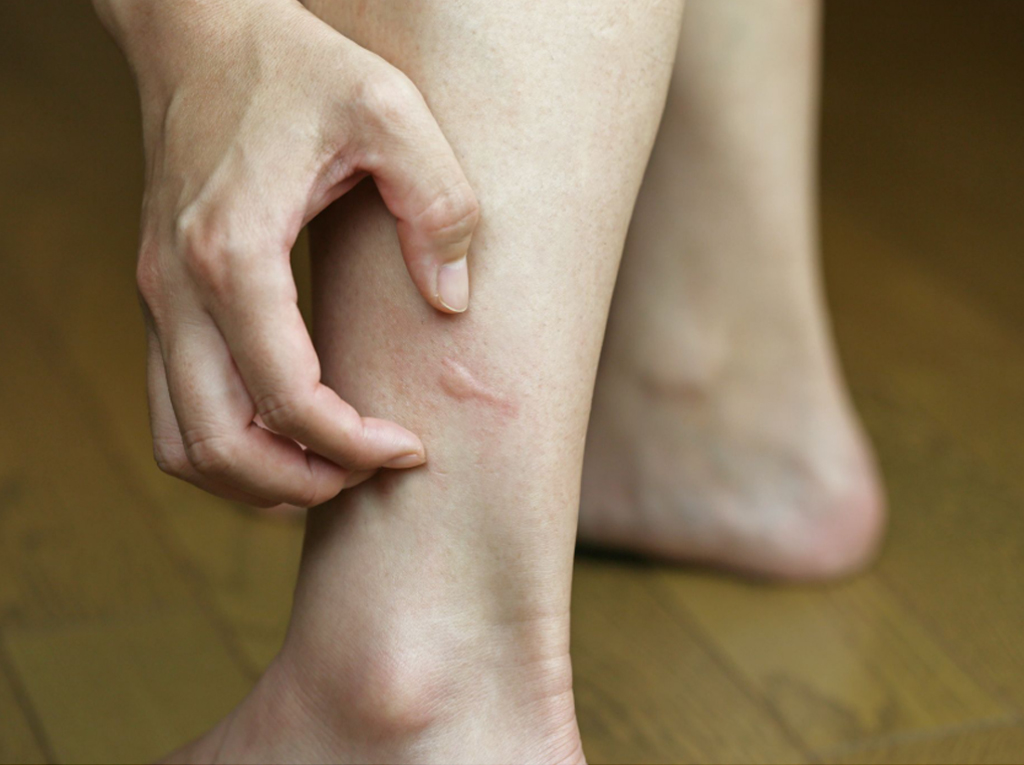
You usually feel it before you see it. A tiny prickle on your skin. Then the urge to scratch starts creeping in, getting harder to ignore by the second. Insect bites have a special talent for demanding attention, often long after the insect itself has gone.
The good news is that itching is not a sign that something has gone wrong. In most cases, it is a normal and temporary skin reaction. The less good news is that it can be uncomfortable, distracting, and very tempting to scratch.
However, understanding why insect bites itch can make them easier to manage and less worrying, especially if you or your children react strongly. In this guide, we explain what causes the itching, how to calm and treat it safely, and when it is time to seek medical advice.
Why does an insect bite itch?
When an insect bites or stings, it breaks the surface of the skin, creating an inflamed-looking bite site. At the same time, the insect typically introduces a small amount of saliva or venom. This is what triggers the itching – not the bite mark itself.
Your immune system treats the substance as foreign and responds straight away. Special cells in the skin release chemicals, including histamine, which play a role in defending the body. Histamine increases blood flow to the area and activates nearby nerve endings.
This process causes the familiar symptoms most of us recognise:
- redness
- swelling
- localised warm and/or numb sensation
- itching.
The itch is your body’s way of drawing attention to the bite, even though the insect is long gone.
Some people react more strongly than others. Children, in particular, often develop itchier or more noticeable bumps, and reactions can appear several hours after the bite. This does not usually mean the bite is dangerous. It simply reflects how sensitive their immune system is to insect saliva.
Scratching can briefly relieve the itch, but it also irritates the skin further. With this in mind, it can actually make the itching last longer and increases the risk of broken skin and infection. That’s why health professionals generally advise trying not to scratch, even though it is easier said than done.
How do you stop insect bites from itching?
The aim is to soothe the skin and calm the body’s reaction, while protecting the bite from damage.
Start with gentle care. Washing the area with soap and water helps remove any remaining irritants and lowers the risk of infection. A cold compress held against the bite for short periods can also reduce swelling and dull the itch.
If itching persists, treatments that reduce the histamine response can be helpful. Antihistamine products are commonly used for insect bites and stings, as they help ease itching and redness. Mild hydrocortisone creams may also be recommended for short-term use to calm inflammation, provided they are used according to the instructions.
Alternatively Wasp-Eze® Cool & Soothe Pump Spray applied to the affected area can deliver instant, cooling relief exactly when you need it. It combines the soothing sensation of menthol and peppermint to calm itching and redness. It also contains vitamin E for skin renewal.
Keeping the bite clean and protected can also make a difference. Covering it lightly or applying treatment regularly can reduce the temptation to scratch, especially in children or overnight.
Most insect bites improve within a few days. If symptoms are easing, this is usually a sign the skin is healing as expected.
When should you see your GP or go to hospital?
While most insect bites are mild, there are times when medical advice is important.
You should seek urgent medical help if someone develops signs of a severe allergic reaction. These can include:
- swelling of the face, lips or tongue
- difficulty breathing or wheezing
- dizziness or collapse.
You should also contact your GP, pharmacist, or call NHS 111 if a bite site:
- becomes increasingly red, hot, painful, or swollen after the first day
- starts oozing, crusting, or showing signs of infection
- does not improve after several days or continues to worsen
- is near the eye, inside the mouth, or on the genitals
- is causing significant discomfort or distress, especially in a child.
People with weakened immune systems or long-term skin conditions should also seek advice sooner if they are concerned about a bite or sting.
Preventing bites helps prevent itching
It sounds obvious, but it’s true – the simplest way to avoid itchy bites is to reduce the chance of being bitten in the first place. This is particularly helpful for people who know they react strongly to insects.
Covering exposed skin, avoiding heavily scented products, and using insect repellent can all help. Repellents should always be used as directed, and applied carefully, especially on children.
The Wasp-Eze insect repellent range is designed to support bite prevention during everyday activities, holidays, and time outdoors and protects against mosquitoes and other irritating insects. Options include Wasp-Eze® Insect Repellent Max Strength Spray or Lotion, which are DEET-free and use IR3535 as the active repellent ingredient, as well as Wasp-Eze® Insect Repellent Roll-on or Pump Spray made with proven, nature-inspired ingredients including Eucalyptus Citriodora and Cymbopogon Winterianus Oils,.
Used alongside sensible clothing and timing outdoor activities carefully, repellents can significantly reduce the number of bites you have to deal with later.